Imagine a crisp morning in a log cabin, the smell of pancakes filling the air, and a bottle of golden maple syrup ready to be poured. That rich, warm sweetness? It’s not just a topping — it’s a symbol of Canadian pride, nature’s gift, and a cultural treasure.
Yes, we’re talking about Maple Syrup — the golden nectar that flows from the heart of Canadian forests.
In this blog, we’ll walk you through the origin, types, process, health benefits, fun facts, buying tips, and even how to enjoy maple syrup like a true local. Whether you're visiting Canada or simply love learning about iconic foods, this friendly guide will help you fall in love with maple syrup.
Let’s begin the sweetest journey ever!
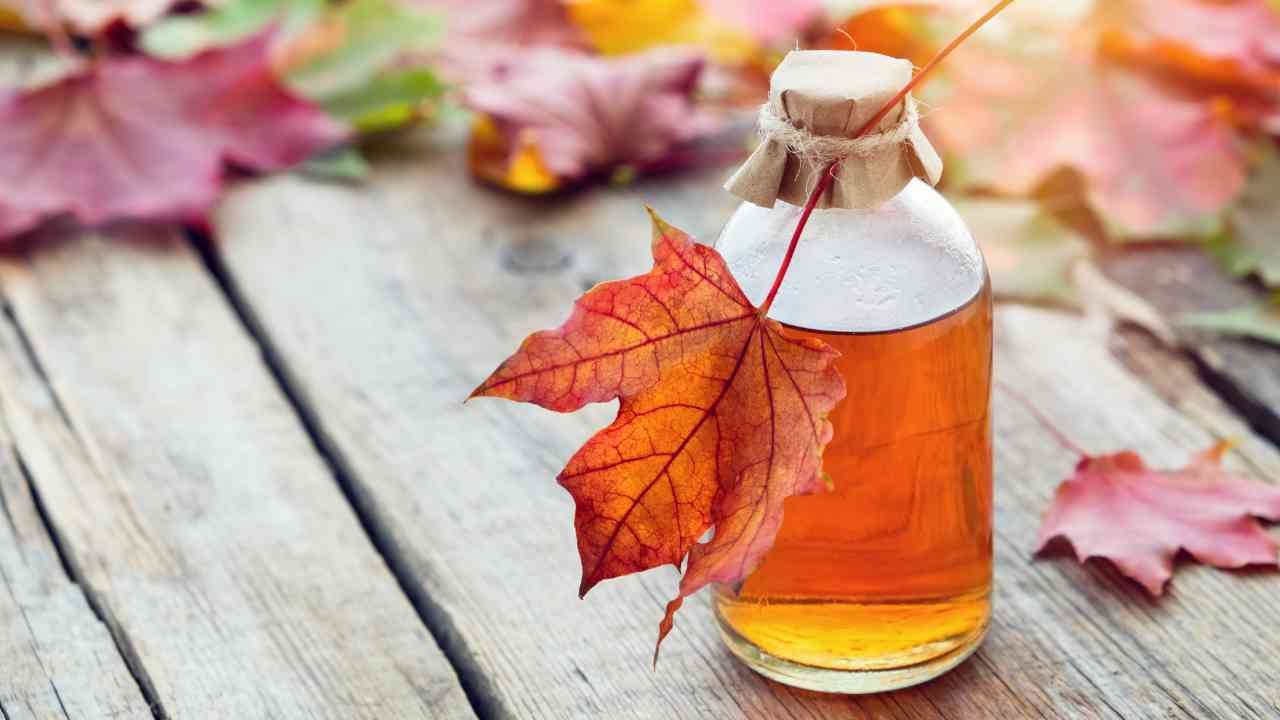
1. What is Maple Syrup? (Hint: Not Just Another Sweetener)
At its core, maple syrup is a natural sweetener made by boiling down the sap of maple trees — especially Sugar Maples, which grow abundantly in Canada.
-
Unlike processed sugar or artificial syrups, maple syrup is 100% natural.
-
It’s rich in minerals, antioxidants, and that unmistakable caramel-earthy taste.
✅ Why It’s Special:
-
It takes about 40 litres of sap to make just 1 litre of syrup.
-
Only certain trees, in certain climates, at certain times of the year, produce the sap.
In other words — it’s nature’s limited edition luxury.
2. Why Is Canada Known for Maple Syrup?
Canada is the world's largest producer of maple syrup, accounting for over 70% of the global supply, and most of that comes from Quebec.
Maple syrup is more than just a product — it’s a symbol of Canadian heritage.
-
The maple leaf on the Canadian flag? It’s there for a reason.
-
Indigenous peoples were the first to tap maple trees and boil the sap.
-
Every spring, thousands of families visit “sugar shacks” (cabane à sucre) for a maple feast.
✅ Fun Fact: There’s even a Maple Syrup Reserve in Quebec, like a bank vault full of golden sweetness. Just in case of bad harvests!
3. How is Maple Syrup Made? The Tree-to-Table Journey
Let’s break down the magic process:
A. Tapping the Trees
-
In early spring (March–April), as temperatures rise above freezing during the day and drop at night, the sap starts to flow.
-
Small taps or spouts are drilled into the maple trees.
-
Buckets or tubes collect the clear, slightly sweet sap.
B. Boiling the Sap
-
The collected sap is transported to a sugarhouse, where it is boiled for hours.
-
Water evaporates, and the sugar content concentrates, turning golden brown.
C. Filtering & Bottling
-
Once thick enough, it’s filtered and bottled as pure maple syrup.
-
No preservatives. No additives. Just pure goodness.
✅ Did You Know? The sap is about 98% water and only 2% sugar — so it’s a massive reduction process!
4. Grades and Types of Maple Syrup – Know What You’re Pouring!
Maple syrup comes in different grades, and it’s all about color and taste — not quality. All grades are made the same way; they just vary depending on when the sap was collected.
Canadian Maple Syrup Grades:
-
Golden – Delicate Taste: Light in color, subtle flavor — perfect on pancakes and waffles.
-
Amber – Rich Taste: Balanced color and classic maple flavor — great all-rounder.
-
Dark – Robust Taste: Deeper flavor, perfect for cooking or meat glazes.
-
Very Dark – Strong Taste: Bold, almost molasses-like — used in baking or sauces.
✅ Guruji Tip: First-time buyers should go for Amber — it’s the most versatile and widely loved.
5. ️ Best Ways to Enjoy Maple Syrup (Beyond Pancakes!)
Sure, maple syrup and pancakes are a heavenly combo, but there’s more you can do:
Sweet Ideas:
-
On French toast, waffles, crepes
-
Drizzle on ice cream, oatmeal, or yogurt
-
Mix into smoothies or milkshakes
Savory Surprises:
-
Glaze for salmon, chicken, or pork
-
Stir into BBQ sauces or salad dressings
-
Use in roasted vegetables for a sweet twist
Cultural Classic:
-
Maple Taffy on Snow (Tire d’érable): Pour hot syrup on snow and roll it into a chewy candy. A winter tradition in Canada!
✅ Pro Tip: Never microwave maple syrup in plastic bottles — it ruins the flavor. Warm it gently if needed.
6. Health Benefits of Maple Syrup (Yes, Really!)
Maple syrup is still a sugar — but a better one compared to white sugar or corn syrup.
Here’s why:
Nutritional Facts (Per 1 tablespoon):
-
Calories: ~52
-
Calcium
-
Zinc
-
Manganese
-
Antioxidants
Benefits:
-
Lower Glycemic Index than regular sugar
-
Contains natural antioxidants (24 types!)
-
Good source of minerals
-
Free from artificial colors or chemicals
✅ Guruji’s Suggestion: Still use in moderation — but as natural sweeteners go, this one’s a king.
7. How to Buy Real Maple Syrup (Don’t Be Fooled!)
Not all syrups are created equal. That cheap bottle at the store labeled “pancake syrup” might not be maple syrup at all — it’s often just flavored corn syrup.
Check the Label:
-
Look for “100% Pure Maple Syrup”
-
Country of origin: Canada or USA
-
Avoid words like “flavored,” “blend,” or “maple-style”
️ Where to Buy:
-
Farmers’ markets or sugar shacks in Canada
-
Local grocery stores (check the international aisle)
-
Online — brands like Maple Joe, Butternut Mountain, or Escuminac
✅ Storage Tip: Once opened, keep it in the fridge. It can last up to a year or more.
8. ✈️ Bringing Maple Syrup Back Home – Rules & Packing
Want to take a few bottles back for friends and family? Great idea — just know the rules:
-
You can carry it in your checked luggage, well-packed in bubble wrap or sealed containers.
-
Not allowed in carry-on if over 100 ml (liquid restriction).
-
Some countries may have food import restrictions — check your destination’s customs rules.
✅ Gift Idea: Buy maple-shaped glass bottles — they make beautiful souvenirs!
9. Fun Facts About Maple Syrup That’ll Blow Your Mind
-
It takes about 40 years for a maple tree to be ready for tapping.
-
One tree can produce up to 60 litres of sap per season.
-
The tradition of tapping trees goes back over hundreds of years, starting with Indigenous peoples.
-
Some Canadian families have been making maple syrup for 5 generations or more.
-
There’s a Maple Syrup Festival every year in Ontario and Quebec.
✅ Canadian Law: There’s an entire set of standards and a maple syrup federation to ensure authenticity and purity.
10. Maple Syrup Around the World – A Global Love Affair
While Canada leads in production, maple syrup is now a worldwide sensation.
-
Japan uses it in desserts and beauty products.
-
India sees growing use in fitness and wellness communities.
-
Europe chefs are using it in creative recipes — from vinaigrettes to chocolate.
-
USA, especially Vermont, also produces high-quality syrup.
✅ Guruji's Vision: Promote authentic Canadian maple syrup as a healthier alternative to processed sugars — in daily chai, sweets, or even poha! Yes, try it once
Final Thoughts: Maple Syrup is Not Just a Food — It’s a Feeling
To taste real maple syrup is to taste the soul of a forest, the rhythm of seasons, and the love of generations.
When you pour that golden liquid over your breakfast or into your recipe, you’re not just adding sweetness — you’re adding a bit of Canada’s heart, a bit of nature’s magic.
So next time you travel to Canada or visit a specialty store near you, pick up a bottle of real maple syrup. Share it with your family. Let the aroma take over your kitchen.
Because sometimes, the sweetest things are also the simplest.
Want More?
If you'd like trusted brands, buying sources, or curated maple syrup gift ideas — reach out at info@justbaazaar.com.
Stay sweet. Stay soulful. Jai Sanatan. Vande Mataram.
— With love from the heart of Canada
Comments
Post a Comment